
Eid is a festival of joy, family, and, most importantly, beautiful fashion. Every year, women look forward to wearing the perfect eid design dress that reflects elegance, comfort, and style.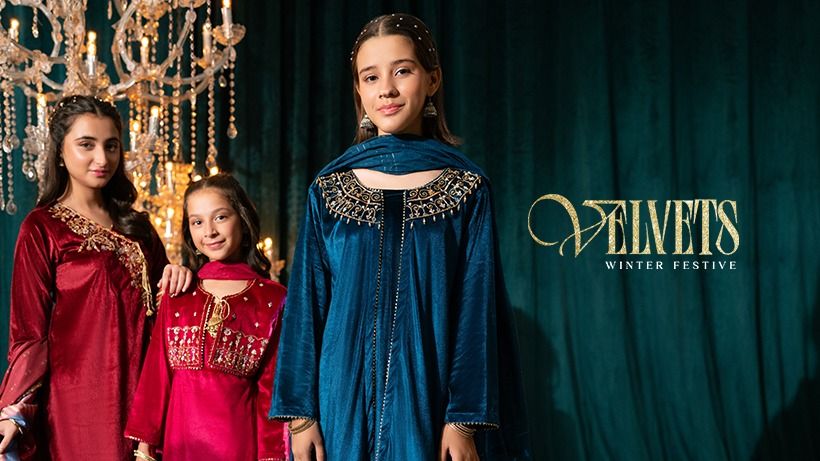
One of the most critical aspects of choosing the perfect dress is selecting the right fabric. The fabric can make or break the entire look.
Whether you prefer subtle sophistication or bold statements, understanding which fabrics work best for an eid design dress is essential.
In this guide, we will explore the most popular fabrics for Eid dresses, their characteristics, and how to choose the right fabric for your style and comfort.
By the end, you will have a complete understanding of fabric selection, ensuring your Eid outfit stands out.
Understanding Fabric Basics for Eid Dresses
Before diving into specific fabrics, it is important to understand some basics. Fabric type affects not only the appearance of your eid design dress but also comfort, breathability, and how well it drapes. Fabrics can be broadly categorized into natural, synthetic, and blended materials:
-
Natural Fabrics: Made from plant or animal fibers like cotton, silk, and linen. These are breathable and comfortable for long wear.
-
Synthetic Fabrics: Made from man-made fibers like polyester, chiffon, and satin. These can offer shine, structure, and durability.
-
Blended Fabrics: Combine natural and synthetic fibers to balance comfort and durability.
Each type of fabric has its advantages and is suitable for different styles of eid design dress, from flowing gowns to structured kurtas.
Cotton: Comfort Meets Elegance
Cotton is one of the most widely used fabrics in eid design dress for several reasons. It is breathable, soft, and comfortable, making it perfect for daytime celebrations. Cotton fabrics are easy to dye and print, which allows for vibrant colors and intricate patterns.
Advantages of Cotton for Eid Dresses:
-
Extremely comfortable for long wear.
-
Absorbs sweat, keeping you cool.
-
Works well for both simple and printed designs.
-
Affordable and widely available.
Tips for Using Cotton:
For a summer Eid, cotton is ideal for casual or semi-formal dresses. Pair light cotton fabrics with embroidery or lace detailing to elevate the look without compromising comfort.
Silk: Luxurious and Traditional
Silk has long been associated with elegance and festivity. It is a natural fiber produced from silkworms and is known for its smooth texture and glossy appearance. A silk eid design dress exudes sophistication, perfect for evening celebrations or formal gatherings.
Advantages of Silk:
-
Provides a luxurious, glossy finish.
-
Drapes beautifully, adding elegance.
-
Available in various types like raw silk, tussar silk, and mulberry silk.
Tips for Using Silk:
Silk can be heavier and warmer than cotton, so it is ideal for cooler climates or evening events. Pair silk dresses with subtle embroidery or zari work for a festive touch.
Chiffon: Flowing and Feminine
Chiffon is a lightweight, sheer fabric that adds a delicate and flowing look to an eid design dress. It is perfect for layering, overlays, and dupattas. Chiffon is often used in formal and semi-formal Eid outfits because of its elegant drape.
Advantages of Chiffon:
-
Lightweight and airy, ideal for hot weather.
-
Creates a graceful, flowing silhouette.
-
Perfect for layered dresses and dupattas.
Tips for Using Chiffon:
Chiffon is slightly slippery and delicate, so it’s best paired with a lining. Combining chiffon with embroidery or sequins can create a glamorous festive look without feeling heavy.
Georgette: Lightweight and Versatile
Georgette is another lightweight fabric that is slightly more textured than chiffon. It is known for its flowy appearance and durability. Georgette is suitable for formal and semi-formal eid design dress, especially when you want a graceful fall without the stiffness of some fabrics.
Advantages of Georgette:
-
Lightweight and slightly textured for grip and structure.
-
Flows beautifully and maintains shape.
-
Holds embroidery and embellishments well.
Tips for Using Georgette:
For a party or evening Eid event, georgette is perfect for long gowns and dresses with flare. Pairing it with zari or beadwork enhances the festive look.
Satin: Glossy and Glamorous
Satin is a synthetic or blended fabric that is known for its glossy, shiny surface. It is ideal for a glamorous eid design dress that makes a statement at evening gatherings. Satin can be used for both gowns and dressy kurtas.
Advantages of Satin:
-
Smooth and glossy finish creates a luxurious appeal.
-
Drapes well for formal outfits.
-
Works beautifully with embellishments like beads and sequins.
Tips for Using Satin:
Satin can be slippery and shows wrinkles easily, so it requires careful handling. Choosing satin for evening Eid parties can create a sophisticated and polished look.
Velvet: Rich and Winter-Friendly
Velvet is a thick, soft fabric known for its rich texture. It is perfect for winter Eid celebrations and adds a regal touch to any eid design dress. Velvet works well with embroidery, sequins, or zari for a luxurious finish.
Advantages of Velvet:
-
Provides warmth in cooler weather.
-
Adds a rich, opulent appearance.
-
Perfect for formal, evening dresses.
Tips for Using Velvet:
Velvet is heavier than most other fabrics, so it is ideal for long gowns or structured dresses. Pair it with minimal accessories, as the fabric itself provides grandeur.
Linen: Casual and Breathable
Linen is a natural fiber made from flax plants. It is breathable, soft, and perfect for a casual eid design dress. Linen is ideal for daytime celebrations and hot climates.
Advantages of Linen:
-
Lightweight and breathable.
-
Comfortable for long hours of wear.
-
Works well for simple and elegant designs.
Tips for Using Linen:
Linen wrinkles easily, so it is best suited for casual or semi-formal Eid outfits. Combining linen with embroidery or lace detailing can elevate a simple dress.
Organza: Crisp and Festive
Organza is a thin, sheer fabric with a crisp texture. It is often used for overlays, dupattas, and full skirts in eid design dress. Organza gives a structured yet delicate appearance, perfect for creating volume and elegance.
Advantages of Organza:
-
Adds volume without weight.
-
Sheer and festive look.
-
Ideal for party and formal dresses.
Tips for Using Organza:
Organza is delicate and slightly stiff, so it works well in layered designs or structured gowns. Pair it with satin or silk linings for a polished finish.
Velvet Blends and Embellished Fabrics
Modern Eid dresses often use blends of fabrics to combine comfort and style. Velvet blends, silk blends, or cotton-synthetic combinations are popular for eid design dress. These fabrics offer flexibility, durability, and festive appeal.
Advantages:
-
Combines best qualities of multiple fabrics.
-
Easier to maintain and handle.
-
Ideal for intricate embroidery and embellishments.
Tips:
For heavily embroidered Eid dresses, blended fabrics are preferable. They hold embroidery well while remaining comfortable to wear.
Choosing Fabrics Based on Dress Type
Different styles of eid design dress suit different fabrics. Here’s a simple guide:
-
Flowing Gowns: Chiffon, georgette, satin, silk.
-
Structured Kurtas: Cotton, linen, silk blends.
-
Embroidered Dresses: Velvet, silk, satin, organza.
-
Casual Eid Wear: Cotton, linen, light blends.
Selecting the right fabric ensures your dress not only looks stunning but also feels comfortable throughout the day.
Matching Fabric with Eid Occasions
Eid celebrations can be day or evening events, and the fabric should match the occasion:
-
Daytime Eid: Cotton, linen, chiffon, georgette. These fabrics are light, breathable, and comfortable for daytime festivities.
-
Evening Eid: Silk, satin, velvet, organza. These fabrics add elegance, shimmer, and sophistication for formal dinners or parties.
By choosing the fabric according to the event, your eid design dress can create the perfect impression.
Maintenance and Care Tips
Different fabrics require different care. Maintaining your eid design dress properly ensures longevity and keeps it looking festive for years:
-
Cotton and Linen: Wash gently, preferably by hand or on a mild machine cycle. Iron on medium heat.
-
Silk and Satin: Dry clean is recommended. Iron on low heat using a cloth over the fabric.
-
Chiffon and Georgette: Hand wash or dry clean. Avoid wringing the fabric.
-
Velvet and Organza: Dry clean only to maintain texture and sheen.
Proper care preserves embroidery, shine, and softness, ensuring your Eid dress remains a wardrobe treasure.
Combining Fabrics for a Modern Look
Many modern eid design dress combine fabrics to create texture, volume, and style. Popular combinations include:
-
Silk with chiffon overlay for a flowing gown.
-
Cotton base with organza dupatta for casual elegance.
-
Velvet with satin lining for evening formal dresses.
Mixing fabrics can also balance comfort and appearance, making your Eid outfit versatile and unique.
Color and Fabric Pairing
Fabric choice often complements color selection. Here are some tips for pairing colors with fabrics:
-
Pastels: Chiffon, georgette, and cotton work beautifully for soft, subtle Eid looks.
-
Rich, Deep Colors: Velvet, satin, and silk enhance royal and festive appearances.
-
Bright Hues: Cotton and silk blends maintain vibrancy while staying comfortable.
Choosing the right combination of fabric and color is key to making your eid design dress stand out.
Conclusion
Selecting the perfect fabric is one of the most important steps in designing an eid design dress. From breathable cotton for daytime comfort to luxurious silk and velvet for evening elegance, each fabric offers unique advantages. Lightweight fabrics like chiffon and georgette create graceful, flowing silhouettes, while structured fabrics like satin, organza, and blends provide durability and style.
Understanding the occasion, dress style, and climate ensures your Eid outfit is not only fashionable but also comfortable. Proper maintenance prolongs the life of your dress, preserving its beauty for years. Modern designs often mix fabrics to balance comfort, texture, and elegance, allowing for creativity and uniqueness in your festive wardrobe.
With careful fabric selection, your eid design dress can become a perfect reflection of personal style, cultural elegance, and festive spirit. Whether you choose a casual cotton kurta or a lavish silk gown, the right fabric is the secret to celebrating Eid in both style and comfort.